


Top 7 Features Every Modern Telemedicine App Development Project Should Include
Telemedicine app development has become a cornerstone of digital healthcare. Patients expect seamless access to doctors from their homes, and healthcare providers need reliable platforms that combine convenience with clinical precision. However, many telehealth solutions fail because they overlook the features that make remote care effective, secure, and scalable.
Whether you’re a startup building your first telehealth MVP or a hospital expanding your virtual care services, understanding the essential features of a modern telemedicine app can make all the difference. In this article, we explore the seven most important capabilities every telemedicine platform should have based on real-world experience in healthcare software development and insights from leading custom software development projects.
Below are seven must-have features for any modern telemedicine application, each backed by industry research and best practices. We use authoritative sources to explain why these features matter and how they work together to improve care.
7 Top Telehealth Software Features
1. High-Quality, Low-Latency Video & Audio
Real-time video and audio are the cornerstone of telemedicine. High-definition video allows doctors to see subtle symptoms and make accurate diagnoses, much as they would in person. With high-definition video, medical professionals can view more intricate details during examinations and make more precise diagnoses. At the same time, telehealth platforms should be resilient to poor connections. For instance, a built-in fallback to a voice call can keep the consultation alive if the video stream drops.
- HD live video & clear audio: Use optimized video codecs and bandwidth management to support HD teleconferencing without lag.
- Automatic fallback channels: Enable the app to switch to a regular voice call (or lower-resolution video) if bandwidth is too low.
- Multi-party conferencing: Support group sessions (e.g. patient, nurse, and doctor together) or consultations with family members present.
- Virtual waiting rooms: Show patients a “virtual lobby” while waiting, with status updates, just as a clinic would.
In short, a robust video platform – with error handling and adaptability – is non-negotiable in healthcare mobile apps.
2. Secure Messaging and Chat
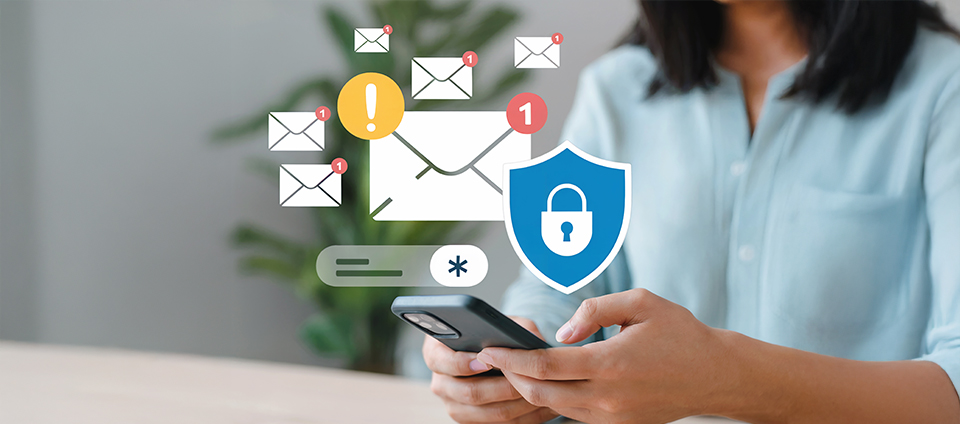
Video calls aren’t always needed. Sometimes a quick text or asynchronous message is enough. Modern telemedicine apps provide an integrated, encrypted chat system for both patients and providers. This allows patients to ask quick questions, share status updates, or receive follow-up advice without a full call. Clinicians likewise can send check-in messages or clarify details.
- Encrypted text chat: Secure messaging (end-to-end encryption) lets patients ask clarifying questions or report minor symptoms without booking a full visit.
- Doctor-initiated outreach: Clinicians can proactively message patients (e.g. for routine check-ins or prescription reminders).
- Shared media: Patients can send photos of rashes or home-monitoring screenshots, enabling “store-and-forward” care even outside live calls.
- Push notifications: Instant alerts notify users of new messages or replies, keeping communication timely.
Integrated messaging dramatically boosts engagement. In one case study, adding secure messaging and patient reminders (via the portal) helped reduce no-shows and improve patient satisfaction. Without chat or reminders, patients are far more likely to drop off. A good telehealth platform makes sure users never feel “left hanging” by providing these communication tools as part of the core app experience.
3. Appointment Scheduling, Reminders & Dashboards
Telemedicine apps must include built-in scheduling and calendar management. Patients expect to book, reschedule, or cancel appointments as easily as they would in a clinic, and clinicians need a synced calendar. Beyond basic booking, the system should automate reminders (via SMS/email/app notification) to reduce no-shows – a common pain point for providers. Patient portals and dashboards can “help clinics reduce no-shows [and] manage reminders”.
- In-app booking calendar: Let patients see available slots and schedule visits directly. Sync this with provider calendars.
- Automated reminders: Send personalized reminders a day or hour before the appointment to cut no-show rates.
- Virtual waiting rooms: Show queue status or expected wait time in the app after booking.
- Administrative dashboard: Enable clinic staff to view upcoming tele-visits, approve requests, and handle cancellations in one place (often integrated with the clinician’s portal).
By handling scheduling and notifications within the telehealth app/healthcare mobile apps, providers avoid fragmented workflows. Integrated platforms that combine booking, patient records, and messaging into one system can save providers hours of admin work. In short, smooth scheduling and reminder features are essential to keep patients engaged and operations efficient.
4. EHR/EMR Integration & Unified Patient Records
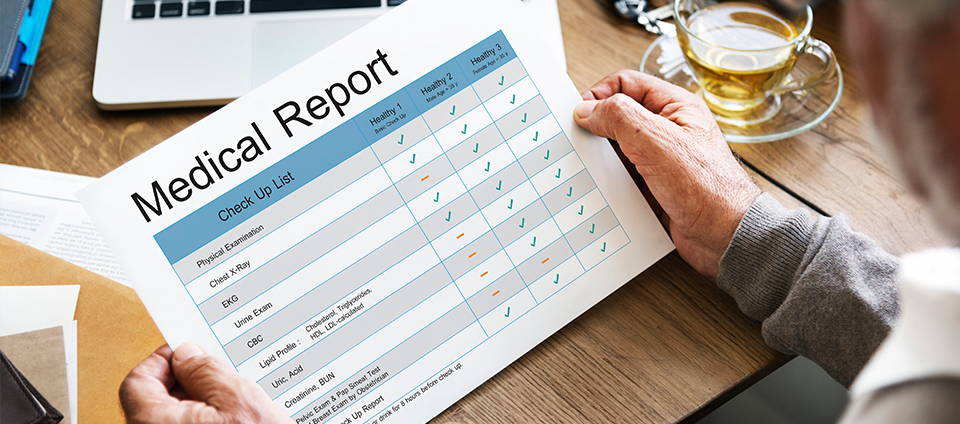
A telemedicine app must connect to patients’ health records. When doctors can immediately access a patient’s EHR or chart during a virtual visit, they make better decisions faster. Similarly, patients should be able to view their test results, visit summaries, and medication lists in the app’s patient portal. In practice, this means tight integration with existing EHR/EMR systems and consistent record-keeping.
- Full EHR/EMR integration: The app reads from (and writes to) your hospital or clinic EHR, so providers see the same data they’d have in-person.. This creates a “single source of truth” – no more fragmented data across systems.
- Patient profile & medical history: Within the app, patients can see a summary of their history, labs, and medications. A customized portal can even display lab results or doctor’s notes as soon as they’re available.
- Single login for providers: Clinicians use one login to access patient charts, tele-visit history, and notes in one dashboard. They needn’t juggle separate “telehealth” software.
- Visit documentation: Telehealth platforms often provide structured visit templates that auto-populate demographic and medical info, streamlining note-taking.
In short, a telemedicine app should not be an isolated island of data. It needs to bridge into the full clinical system. As Bridge Global explains, custom healthcare platforms “integrate with existing EHR/EMR solutions” to give providers a holistic view of the patient. This integration also means tele-visits automatically become part of the medical record – supporting continuity of care. (If your app runs in Europe, remember that connecting to patient data must also respect GDPR rules on data transfers.)
Check out some of the healthtech client cases here.
5. Electronic Prescribing (eRx) and Pharmacy Links
Prescriptions are a critical part of care. Modern telehealth apps include an e-prescription module so providers can generate and send prescriptions directly to the patient’s pharmacy or mail-order service. This keeps the experience fully remote and patient-friendly.
- E-prescribing module: Clinicians select medications in-app; the app checks for drug interactions and generates a prescription form. Patients receive digital scripts they can fill without manual paperwork.
- Pharmacy integration: The app interfaces with pharmacy systems or eRx networks so prescriptions go straight to the chosen pharmacy, often allowing home delivery.
- Medication history & refills: Patients can view their current and past prescriptions, request refills through the app, and receive refill reminders.
- Insurance handling: If applicable, integrate with insurance formulary lookup so providers see cost/coverage as they prescribe.
These features save time and reduce errors. In a well-integrated system, a patient finishing a tele-visit can immediately get their medications without a clinic visit. E-prescribing in telehealth should come standard: Integration of the telemedicine app with an eRx module allows clinicians to create and transmit electronic prescriptions straight to pharmacists. This both improves convenience and supports medication adherence (especially important in chronic care).
6. Payment & Billing Integration
Many telehealth services involve fees, so seamless payment processing is important – especially in private practice or DTC (direct-to-consumer) models. A modern telemedicine app often includes a billing engine or payment gateway so patients can pay for a consultation online. It may also handle insurance pre-authorization or claims if needed.
- Secure payment gateway: Integrate credit card, mobile wallet, or insurance payment options so the patient can pay (or their insurer can be billed) within the app.
- Invoicing & insurance: The system can generate invoices or submit claims. Some platforms incorporate eligibility checks or automated co-pay calculation at visit time.
- Subscription models: For ongoing services (e.g. coaching or chronic care programs), enable subscription billing.
- Financial dashboard: Providers can track revenue from tele-visits, outstanding balances, and insurance reimbursements.
For example, bringing together cards, wallets, and insurance—enhanced by AI—to generate invoices, predict eligibility, and identify fraudulent activity. In practice, even if your telehealth service is free to patients, having built-in billing simplifies administrative overhead. (Note: any payment feature must also comply with data security standards and possibly HIPAA if it handles PHI alongside billing info.)
7. Robust Security & Compliance (HIPAA, GDPR, MDR, etc.)

Finally and most importantly, telemedicine apps must be extremely secure and compliant. Healthcare data is highly sensitive, and telehealth apps transfer personal health information over networks. Core security features like encryption, access controls, and logging are mandatory. Additionally, apps must meet relevant regulations for the patient’s region. In the US, that means HIPAA compliance; in the EU, GDPR (and potentially the Medical Device Regulation for diagnostic tools); elsewhere, local laws may apply.
- End-to-end encryption: All communications (video, audio, chat, data) must be encrypted in transit and at rest. Bridge Global emphasizes that custom healthcare software should “embed HIPAA-compliant software standards… from inception,” including encryption and audit trails. Modern apps use TLS encryption, plus database encryption for stored records.
- User authentication and access control: Enforce strong login (multi-factor authentication) for both patients and providers. Limit data visibility by role (e.g. provider vs. admin).
- Audit logging: Record all access and actions (who viewed or changed what data, and when) – essential for compliance audits.
- Privacy compliance: Ensure the app’s design aligns with laws like HIPAA (USA) and GDPR (EU). For instance, within the EU, software intended by its manufacturer for diagnosis, monitoring, or treatment is subject to regulation as a medical device under the EU MDR. That means extra testing and certification if your telehealth app performs clinical functions.
- Regular security testing: Perform penetration testing and security audits. Healthcare software development companies usually provide this, or partner with compliant cloud services.
In short, security is a feature of features. A single data breach or HIPAA violation can destroy patient trust and incur huge fines. Industry guidelines emphasize beginning with “HIPAA/GDPR legal regulations, role-based access control, encryption of data… and audit logs”. Bridge Global’s healthcare practice, for example, has “15+ years in regulatory compliance” experience and builds these protections into every app. Any telemedicine platform must do the same.
Other helpful features: Beyond these seven essentials, many telemedicine platforms also support advanced capabilities like AI-driven symptom checkers, integration with health-monitoring wearables, and analytics dashboards. For example, allowing patients to upload photos or vital-sign data for later review is a powerful enhancement. But even if you start with the core seven features above, you’ll address the biggest pain points for patients and clinicians.
To summarize, a truly modern telemedicine app is more than a simple video chat – it’s a fully integrated healthcare system. It should connect appointments, records, communication, prescriptions, and payments, all under the hood of strong security and legal compliance. Bridge Global’s expertise in healthcare software development means we understand each of these pieces. A custom platform can tie all these elements together into one “secure, compliant digital solution”.
If you’re building or upgrading a telehealth platform, keep this checklist handy. And remember: partnering with an experienced developer can help you avoid pitfalls. Bridge Global has decades of healthcare tech experience and can guide you through HIPAA, GDPR, and even MDR considerations, integrating everything from EHRs to payment systems. When healthcare providers focus on care and leave the technology to experts, patient trust and satisfaction naturally grow.
Frequently Asked Questions (FAQs)
What should teams focus on first in telemedicine app development?
Early-stage telemedicine app development should prioritize secure video consultations, scheduling, and patient data access. These core telehealth software features support safe care delivery and reduce operational friction from day one.
Why is compliance such a critical part of healthcare mobile apps?
Healthcare mobile apps handle sensitive patient data and clinical workflows. Compliance with HIPAA, GDPR, and MDR is essential to protect patient privacy, meet regulatory expectations, and avoid costly rework later in development.
How does healthcare software development differ from building regular consumer apps?
Healthcare software development requires deeper attention to security, interoperability, and clinical workflows. Unlike consumer apps, telemedicine platforms must integrate with EHR systems and support regulated medical processes.
When does custom software development make sense for telemedicine platforms?
Custom software development is valuable when standard telehealth tools cannot support specific workflows, integrations, or compliance needs. It allows teams to design features around real clinical and operational requirements.
What role does a software development company play beyond building the app?
An experienced software development company helps align technology decisions with healthcare regulations, long-term scalability, and integration needs. This includes architecture planning, security design, and ongoing platform evolution through custom application development services.
Ready to Get Started?
For more information on custom telemedicine app development and how to make your platform secure and feature-rich, reach out to our team. Our healthcare software experts can advise on your specific needs and compliance requirements, and help turn your telehealth vision into reality – contact us today.

About Preethi Saro Philip
Preethi Saro Philip is a Post Graduate Research Degree holder in Economics with more than 10 years of experience in writing, editing, research and teaching. She has an intense passion for content crafting and calls herself a ‘wordsmith’. She enjoys writing on wide-ranging topics including business, technology, health & lifestyle, education, environment etc.
View all posts by Preethi Saro Philip →