



Generative AI and Ecommerce: A New Shopping Era
Picture this: an online store that knows what you want, sometimes even before you do. It writes product descriptions and creates images tailored just for your taste. This isn’t a scene from a sci-fi movie; it’s what’s happening right now with generative AI and ecommerce. Think of it as a creative partner that can design, write, and chat with customers at a scale we’ve never seen before.
The New Era of Retail Powered by Generative AI
We’re moving away from the era of static, one-size-fits-all websites. The future of retail is dynamic and deeply personal, with shopping journeys built on the fly for every single visitor. Generative AI is the engine driving this massive shift, taking us far beyond the basic product recommendations we’ve all become accustomed to.
This isn’t just about tweaking existing content. This technology actively generates unique experiences. Imagine creating thousands of SEO-optimized product descriptions overnight. Or designing new lifestyle photos featuring your latest products without a single photoshoot. Or deploying a chatbot that actually understands the nuances of a conversation. Your online store starts to feel less like a digital catalog and more like a dedicated personal shopper.
The Financial Momentum Behind AI
The market growth tells a compelling story. Projections show the generative AI market hitting $59.01 billion in 2025 and rocketing to an incredible $400 billion by 2031. That’s an expected annual growth rate of 37.57%.
This kind of investment highlights the immense value businesses see in this technology, especially in retail. To really get a handle on this change, you have to look at how it’s being applied across the board. For a wider perspective, exploring the 8 ways AI for ecommerce is revolutionizing the industry offers some great insights.
Generative AI is not just another tool; it’s a foundational shift in how brands interact with customers. It transforms the digital storefront from a passive destination into an active, intelligent environment that anticipates needs and crafts personalized pathways to purchase.
Why This Matters for Your Business
In today’s market, a great product isn’t always enough. True competitive advantage comes from delivering a superior, personalized experience. Businesses that lag in adopting these new tools risk falling behind competitors who can operate more efficiently and forge stronger connections with their customers.
In the next sections, we’ll dive into exactly how generative AI pulls this off, focusing on key areas like personalization, content creation, and customer service. By understanding these applications, you can start charting a course for your own business, transforming it with the help of a skilled AI solutions partner to guide you.
How Generative AI Is Remaking the Shopping Experience
Generative AI isn’t just some tech working quietly in the background. It’s actively overhauling the entire digital shopping journey, from the moment a customer lands on your site to the final click of the “buy” button. It’s a creative partner, not just a tool for automation, and it’s building unique experiences for every single person who interacts with your brand.
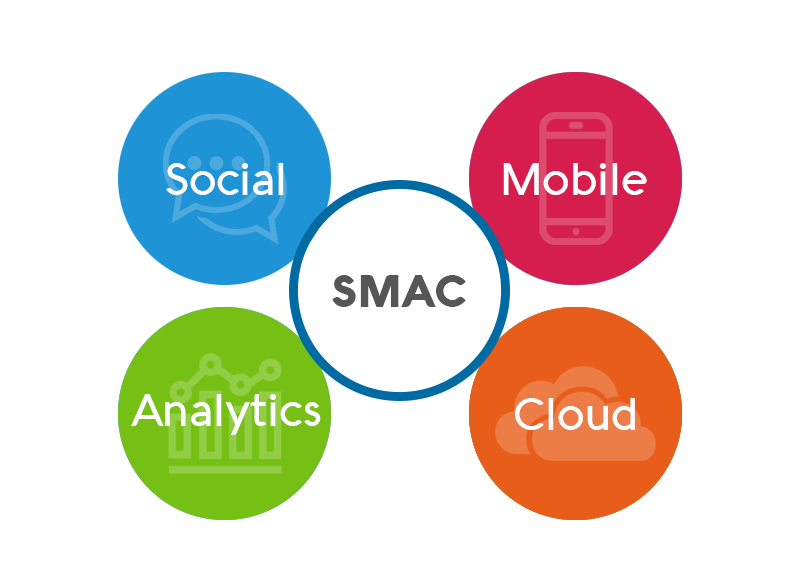
We’re seeing this shift happen across four key areas of online retail.

This image really gets to the heart of it—a central AI engine powering a web of interconnected functions, all working together to create a smarter, more intuitive shopping ecosystem.
Hyper-Personalized Shopping Journeys
Let’s be honest, generic marketing emails and one-size-fits-all landing pages are on their way out. Generative AI ushers in an era of hyper-personalization on a scale we’ve never seen before, crafting experiences tailored to each visitor based on what they’re doing right now.
Imagine a storefront that reconfigures its layout, product suggestions, and even its promotional banners the second a user arrives. This isn’t science fiction. AI models can analyze browsing history, past purchases, and even subtle mouse movements to predict what a shopper wants and generate the perfect content on the fly. It’s a powerful way to make customers feel seen and understood, which is the cornerstone of real engagement.
Automated and Creative Content Generation
Content is the engine of ecommerce, but creating it is often a long, manual grind. Generative AI completely changes the game by churning out high-quality, SEO-friendly content in minutes, not weeks.
Think about it: this technology can write thousands of unique product descriptions, each highlighting different benefits to appeal to different types of buyers. It can also draft compelling blog posts, social media captions, and ad copy, all while maintaining a consistent brand voice. This frees up your marketing team to focus on big-picture strategy instead of getting bogged down in repetitive writing.
The growth here is explosive. The global AI-enabled ecommerce market was valued at $8.65 billion in 2025 and is on track to hit $22.6 billion by 2032. The reason for this boom is simple: it works. Shoppers complete their purchases 47% faster when AI tools are helping them along.
Enhanced Visual Merchandising
The old saying “a picture is worth a thousand words” is an understatement in ecommerce. It’s worth sales. Generative AI is transforming visual merchandising by creating stunning, lifelike images and interactive experiences without the need for costly photoshoots.
Retailers can generate lifestyle photos showing a product in different settings, place a sofa in a virtual version of a customer’s living room, or create interactive 3D models. A great example is the rise of AI clothing try-on technology, which lets people “see” how an outfit looks on them before they buy. This doesn’t just build confidence; it also plays a huge role in cutting down on returns.
By generating realistic visual contexts, AI bridges the gap between the digital and physical shopping experience. It answers the customer’s fundamental question—”How will this look in my life?”—long before the product ever ships.
Intelligent Conversational Commerce
Today’s shoppers expect immediate, helpful support around the clock. Generative AI-powered chatbots are stepping up to meet that demand, providing sophisticated, human-like assistance 24/7.
These aren’t the clunky, rule-based bots of the past. Modern AI assistants understand context, handle nuanced questions, and actively guide customers toward a purchase. They can answer detailed product questions, process returns, and even suggest relevant add-ons in a natural, conversational way. As we explored in our guide on AI chatbots for ecommerce, choosing the right solution can make a massive difference in customer satisfaction and sales.
Measuring the Real-World Impact on Your Bottom Line
Bringing generative AI into your business isn’t about chasing the latest tech trend. It’s a hard-nosed business decision aimed at one thing: getting a real return on your investment. When you do it right, the technology directly moves the needle on the numbers that define success in ecommerce. It’s all about turning smart tech into real dollars.

We’re already seeing clear evidence of how generative AI changes customer behavior for the better. The connection between AI-powered personalization and higher conversion rates is probably the most compelling reason to get on board. Simply put, when you show the right person the right product at the perfect moment, you make it incredibly easy for them to say “yes.”
Driving Higher Conversions and Order Values
When a customer feels like you “get” them, they don’t just buy more often—they spend more money when they do. This is where AI really shines. It can spot opportunities to upsell and cross-sell in a way that feels like helpful advice, not a clumsy sales pitch. By understanding a shopper’s real-time intent, it can suggest a complementary accessory or a premium version of a product, directly bumping up your Average Order Value (AOV).
This kicks off a powerful cycle: better personalization drives higher conversion rates, which then leads to a bigger AOV. The end result is a serious lift in revenue without having to pour more money into your marketing budget. Investing in AI for your business is a direct line to making every visitor interaction more valuable.
Enhancing Customer Engagement and Retention
The benefits don’t stop at the checkout. Generative AI helps build deeper, more lasting customer relationships. Traffic coming from smart discovery tools, like an advanced chatbot or a truly intuitive search, tends to be more qualified and ready to engage. These aren’t just window shoppers; they’re people actively looking for what you sell.
The numbers back this up loud and clear. Recent research shows shoppers who come from generative AI sources have 10% higher engagement than those from other channels. They also stick around 32% longer on retail sites and click through 10% more pages per visit. On top of that, their bounce rate is 27% lower, which proves they’re genuinely interested in what you have to offer. You can read the full research on generative AI’s impact on retail traffic to dig into the details.
That kind of sustained engagement is a fantastic predictor of long-term loyalty and repeat sales.
A Clear Comparison of Performance
To really spell out the ROI, let’s put it in black and white. The difference between a standard ecommerce operation and one beefed up with generative AI is impossible to ignore, and it shows up across all the critical metrics.
The table below gives you a snapshot of the kind of uplift businesses can realistically expect.
eCommerce Performance With and Without Generative AI
| Metric | Traditional eCommerce | Generative AI-Enhanced eCommerce | Key Improvement |
|---|---|---|---|
| Conversion Rate | Standard, often below 3%. | Increased through hyper-personalization and dynamic recommendations. | Higher likelihood of purchase per visitor. |
| Average Order Value (AOV) | Reliant on manual cross-sells or static suggestions. | Boosted by intelligent, context-aware upselling and product bundling. | Increased revenue from each transaction. |
| Customer Engagement | Higher bounce rates, shorter session durations. | Lower bounce rates, longer time on site, more pages viewed per session. | Deeper connection with the brand and its offerings. |
| Content Creation Speed | Slow, manual, and resource-intensive for product descriptions and blogs. | Drastically accelerated, enabling content production at scale. | Faster time-to-market and improved operational efficiency. |
| Customer Support Costs | High operational costs tied to human agent availability. | Reduced through 24/7 automated support for common queries. | Lower overhead and improved service accessibility. |
Looking at the data, it’s obvious that generative AI is much more than a background utility. It’s a powerful engine for growth that gives you a clear, measurable edge over the competition. For any ecommerce brand looking to the future, it’s not just an option. It’s a critical strategic move.
Your Strategic Roadmap for AI Implementation
Bringing generative AI into your ecommerce business isn’t a flip of a switch. It’s a journey, and like any good journey, it requires a map. A clear roadmap helps you move from initial curiosity to real, measurable results by breaking the process down into deliberate, strategic steps. It’s all about finding the right opportunities, getting your technical house in order, and launching your projects in a controlled, intelligent way.

Phase 1: Identify High-Impact Opportunities
First things first: you need to figure out where AI can make the biggest splash with the least amount of friction. Think of it as looking for the “quick wins” that build momentum and show everyone this stuff actually works. Take a hard look at your daily operations and ask yourself where the biggest headaches and most repetitive tasks are.
- Content Creation: Is your marketing team buried trying to write unique product descriptions, blog posts, and social media content for hundreds of SKUs? Generative AI can produce solid first drafts in seconds, freeing up your creative people for bigger-picture strategy.
- Customer Support: Are your support agents constantly answering the same handful of questions? An AI-powered chatbot could handle those common queries, slashing wait times and freeing up your team to solve more complex customer problems.
- Personalization: Are your conversion rates stuck in a rut? AI can sift through customer data to surface truly personalized product recommendations and marketing messages that actually connect with shoppers.
By zeroing in on a specific pain point, you give your first AI project a clear purpose. That makes measuring success a whole lot easier.
Phase 2: Prepare Your Data and Tech Stack
Generative AI models are smart, but they’re only as smart as the data you feed them. Think of your data as the fuel for your AI engine. If you put in bad fuel, the engine is going to cough and sputter. This phase is all about getting your technical foundation solid before you even think about building.
This means you’ll need to clean, organize, and unify data from all your different systems—your CRM, product catalog, analytics tools, you name it. You have to ensure customer profiles are accurate, product info is consistent, and historical sales data is ready to go. A messy data ecosystem will only lead to inaccurate AI outputs and wasted effort.
An AI project without a solid data strategy is like building a house on a shaky foundation. The upfront work of structuring and cleaning your data pays off massively down the line with more accurate, reliable, and powerful AI applications.
On top of that, you need to check if your current tech stack is ready for AI. This could mean updating APIs, re-evaluating your cloud setup, or just making sure your ecommerce platform can talk to the new AI tools you want to bring in.
Phase 3: Choose the Right Tools and Partners
With a clear goal and clean data, you’re at a fork in the road. Do you build a custom AI solution from scratch, buy an off-the-shelf tool, or work with an expert partner? Each path has its pros and cons.
- Buy: SaaS platforms are a quick way to add specific AI features like a new search tool or chatbot. They’re often cost-effective for a single purpose but can be rigid if you need deep customization.
- Build: Developing your own AI gives you total control and a serious competitive edge. But be warned: it demands a huge investment in specialized talent, time, and money.
- Partner: Working with a specialized firm is often the perfect middle ground. An expert partner brings deep knowledge to the table, helping you sidestep common pitfalls during integration and development. It’s the fastest way to get a solution tailored to your needs without having to build an entire AI team in-house.
Choosing a firm with dedicated AI development services can take a lot of the risk out of the process and get you to a positive ROI much faster. As we explored in our guide on implementing AI in business, this phase is critical for long-term success. This is essential to help you access the full AI advantages.
Phase 4: Pilot and Scale
Finally, whatever you do, don’t try to launch a massive, company-wide AI overhaul from day one. The smartest companies start small with a controlled pilot project or a Proof-of-Concept (PoC). This lets you test your ideas in the real world with minimal risk. Explore a variety of PoCs and AI products here.
Pick a single product category, a specific customer segment, or one marketing channel for your pilot. Then, track your key performance indicators (KPIs) like a hawk to see what impact it’s having. Did the AI-generated descriptions lift conversion rates? Did the chatbot actually reduce support tickets?
Once your pilot shows a clear, positive return, you’ll have the hard data, and the confidence, to start scaling the solution across the rest of the business. This “test, measure, scale” approach ensures your investments are smart and that the technology is truly making a difference.
Navigating the Challenges of AI in Ecommerce
Generative AI presents some incredible opportunities for ecommerce, but it’s not a magic wand. Adopting it successfully means going in with your eyes open, ready to tackle the very real hurdles that come with it. It’s less about flipping a switch and more about carefully and responsibly managing a powerful new tool.
A smart approach means thinking about data privacy, content accuracy, and the all-important human element right from the start. This ensures your AI integration is not just effective, but ethical and sustainable.
Upholding Data Privacy and Compliance
The first and biggest hurdle is always data privacy. To create those amazing personalized experiences, generative AI models need to analyze a ton of customer data. This immediately brings up serious questions about security and regulatory compliance. With laws like GDPR in Europe setting a high bar, you can’t afford to be careless with how you collect, store, and use customer information.
Your entire AI strategy has to be built on a foundation of trust. That means putting clear data governance policies in place, anonymizing data whenever you can, and always giving customers control over their own information. Get this wrong, and you’re not just risking massive fines; you’re risking your brand’s reputation, which is much harder to get back.
Here’s an insightful read on how Agile practice help you maintain compliance.
Managing AI Inaccuracies and Bias
Here’s a simple truth: generative AI models are only as good as the data they learn from. If your historical data is full of old biases or mistakes, the AI will learn them, repeat them, and sometimes even make them worse. This can show up as skewed product recommendations or marketing copy that accidentally alienates a whole segment of your audience.
The best way to fight this is to keep a “human in the loop.”
- Content Review: Always have a human editor look over AI-generated content like product descriptions or ads. They’ll catch things the AI misses and ensure everything is accurate and on-brand.
- Performance Monitoring: Keep a close eye on AI-driven recommendations and chatbot conversations. This lets you spot and fix biased patterns before they cause real problems.
- Feedback Loops: Make it easy for employees and customers to flag weird or inappropriate AI outputs. This feedback is gold for fine-tuning the system.
This kind of oversight ensures the AI remains a helpful assistant, not a liability. As we explored in our guide on responsible AI implementation, a deep commitment to ethical standards isn’t optional; it’s essential for long-term success.
Balancing Automation with the Human Touch
With a powerful new tool, the temptation to automate everything is strong, especially in customer service. AI chatbots are fantastic for answering common questions around the clock, but relying on them too heavily can make your brand feel cold and distant. Some problems, particularly when a customer is upset or confused, just need a real person with real empathy.
The goal isn’t to replace your support team but to supercharge them. Let the AI handle the simple, repetitive stuff. This frees up your human agents to focus on the complex, emotionally-charged conversations that build real customer loyalty—the kind of work people are still much, much better at.
Finding that perfect balance is crucial. A smooth, seamless handoff from a chatbot to a human agent can rescue a frustrating situation and show your customers you’re truly there to help.
Overcoming Implementation Costs and Skill Gaps
Finally, let’s talk about the practical side of things: money and people. Rolling out a sophisticated AI system isn’t cheap. It requires a real investment in technology and infrastructure. On top of that, you need people with specialized skills in data science, machine learning, and AI ethics to run it all.
For a lot of companies, finding—and keeping—that kind of talent is a huge challenge. This is often where bringing in an experienced technology partner makes a lot of sense. They can provide the expertise you need to handle the technical details and make sure you actually see a return on your investment, as demonstrated in our many successful client cases.
Where Do We Go From Here?
If there’s one thing to take away from all this, it’s that generative AI isn’t just another tech trend. It’s fundamentally rewriting the rules of the entire ecommerce game. We’ve walked through how it moves beyond generic storefronts to create dynamic, one-to-one shopping experiences through true hyper-personalization. It’s also the engine that automates complex operations and lets brands create compelling content on a massive scale.
For any business ready to jump in, the payoff is huge. Being able to predict what a customer wants, automate content creation, and provide genuinely helpful service builds a powerful competitive advantage. In a market this crowded, these aren’t just perks anymore, they’re what it takes to survive and grow.
The Clock is Ticking
Sitting on the sidelines isn’t a strategy; it’s a risk. By weaving generative AI into your ecommerce approach now, you can build a business that’s more efficient, more responsive, and more in tune with your customers. The technology is ready, the applications are proven, and the early movers are already sprinting ahead.
The real question isn’t if generative AI will change retail, but how fast you can make it a core part of your strategy. Every day you wait is a missed opportunity to win over customers and grow your slice of the market.
The best first step is to start a conversation with an expert AI solutions partner who has been down this road before. They can help you cut through the complexity and find the real opportunities. By acting decisively, you can claim your spot in this new era of digital retail.
Frequently Asked Questions
How can a small ecommerce business start with generative AI?
The key is to start small and targeted. You don’t need a massive overhaul. Begin with accessible AI tools that solve a specific, high-impact problem. For example, use AI to generate product descriptions or draft social media content. Find a pain point, apply a focused solution, and get a quick win before tackling bigger integrations.
What is the biggest challenge of AI integration?
Without a doubt, it’s usually data quality. Generative AI is hungry for information, and it needs that data to be clean, structured, and organized. For many businesses, the first real step is getting their own house in order—unifying customer profiles, product catalogs, and sales history while keeping everything secure and private.
Will generative AI replace human jobs in ecommerce?
It’s far more likely to change jobs than to eliminate them. Think of it as an upgrade. AI is fantastic at handling repetitive, time-consuming tasks. This frees up your marketers, merchandisers, and service agents to focus on what humans do best: strategy, creative thinking, and solving complex problems. It’s less of a replacement and more of a co-pilot.
Ready to see what generative AI can really do for your ecommerce business? At Bridge Global, we build powerful custom ecommerce solutions fueled by intelligent technology. Get in touch today to see how we can help you gain serious competitive advantage.