AI-assisted development at Bridge Global
Our engineers use AI to deliver faster, under clear AI code governance. The same AI guardrails protect your code and data on every project, and people approve every change. BAS is the framework we built in-house to make secure AI-assisted development our standard.

On every project, engineers lead and AI assists. AI helps draft code, tests, and documentation. Engineers decide what gets built, and every change the AI makes needs their approval before it moves forward. That’s human-in-the-loop software development in practice. On a new feature, AI writes no code until the plan is approved. Design, security, and every final technical decision stay with our engineers.
Clients usually ask us four questions before agreeing to AI-assisted software development on their project. Here's how we answer them.
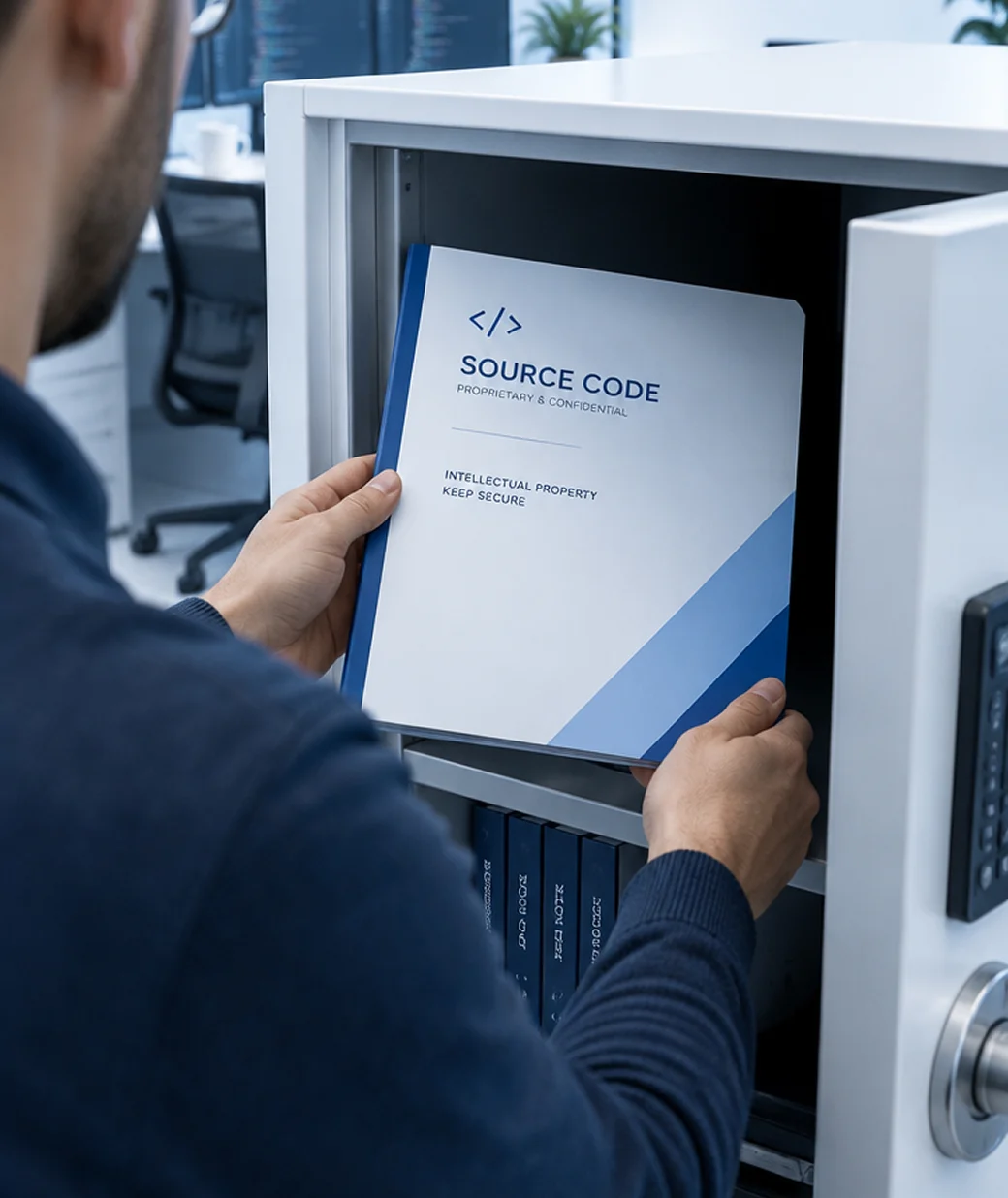



AI coding tools entered software teams faster than the rules for using them did. Each engineer sets up their own tool, and each tool follows only the instructions it was given. On a product that handles patient records, insurance claims, or payments, that’s a governance gap. One change goes through a security check while the next one skips it. A new engineer’s AI tool starts with none of the context the team built up.
BAS (Bridge AI Scaffold) is the framework we built to close that gap. It standardises the AI guardrails, policies and workflows across every engineer on a project, so every AI agent works from one correct set of guardrails for that project. Our engineering team uses it for AI-assisted software development on our own work and on client projects.
Each engineer can still work in the AI tool they’re fastest in, and the quality stays the same. When we improve a standard, the update reaches every project and engineer at once.
Works with the AI coding tools engineers already use







At the start of a project, we adapt BAS to your requirements and your domain.
For healthcare, insurance, ecommerce and digital platforms, we start from ready-made context: the industry’s terms, document templates and compliance checklists. For other industries, we build that context with you. Before any task, the AI also gets an overview of how your product’s code is organized.
BAS works on its own. Depending on the project, we can add 2 more parts to it.
TRACE checks that a change in one part of your product didn’t break something elsewhere. AI tools forget what they changed in earlier sessions, so TRACE runs after each one. It runs locally and doesn’t process personal data.
SYNC is how we run AI development teams, where engineers and AI work together. It builds on Scrum, and every AI task stays within limits your product owner approves.
Through BAS. Every engineer and every AI tool on your project follows the same standardised guardrails, policies and workflows. People approve every change, and the project keeps an audit trail from start to finish.
For healthcare products, our AI-assisted software development [new] starts from a healthcare pack with the industry’s terms, document templates and compliance checklists. BAS keeps sensitive data out of what AI tools can see, your code stays on your systems, and engineers approve every change.
No. In our AI-assisted development, BAS runs automatic checks first, and our engineers still review all AI-generated code before it moves forward.
Yes. Every AI task stays within limits your product owner approves, and our engineers approve each change before it moves forward.
No. BAS is our internal framework. We use it on our own work and on client projects as part of how we deliver.
Yes. If your engineers work alongside ours, BAS runs on your codebase as a local tool, and both teams work from the same instructions.
No. Each engineer uses the tool they prefer, and every tool follows the same instructions.
Yes. For any other industry, we build the domain context with you at the start of the project.
You might be ready for AI-assisted software development, or still deciding whether to. Either way, tell us about your product and what concerns you. One of our engineers will explain how we’d approach it, where AI would help, and where people stay in charge.